What Is the Best Material for Skylights?
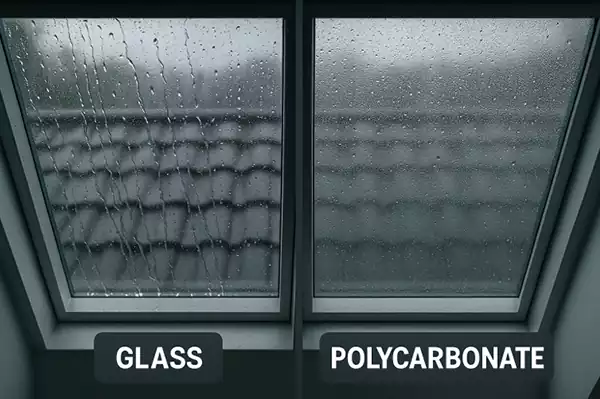
When choosing a skylight, most people focus on style, size, or placement—but one of the most critical decisions lies in the material used for the glazing and frame. The best material for your skylight impacts not only aesthetics but also insulation, durability, safety, and long-term performance—especially in a country like the UK, where weather conditions vary dramatically.
In this article, we’ll explore the most commonly used materials for skylights, compare their pros and cons, and help you determine which one suits your project best—whether it’s a flat-roof extension in London, a pitched roof in Yorkshire, or a loft conversion in Edinburgh.
Why Skylight Material Matters in the UK Climate
The UK’s temperate maritime climate presents unique challenges: long, dark winters with heavy rainfall and periods of intense summer sun. Choosing the wrong skylight material can result in:
- Heat loss in winter
- Overheating in summer
- Leaks and condensation
- Poor durability under UV and moisture exposure
Best Glazing Materials for Skylights
Tempered Glass
Tempered (toughened) glass is the most popular option in modern skylights—especially those offered by companies like SM Glass Tech.
Advantages:
- Clear, distortion-free views: Ideal for pitched and flat roofs.
- Highly durable: Resists scratches, chemicals, and thermal stress.
- Compatible with coatings: Supports Low-E, solar control, and self-cleaning finishes.
Best for: All residential and commercial skylights, especially flat rooflights and walk-on skylights where safety and clarity are crucial.
Limitations:
- Heavier than plastic alternatives
- Slightly more expensive upfront
Expert tip: Choose laminated + tempered combinations for overhead applications—this meets BS 5516 safety glazing standards in the UK.
Laminated Glass
Often used in walk-on or anti-theft skylights, laminated glass consists of two panes bonded with a plastic interlayer (usually PVB).
Advantages:
- Enhanced safety: Holds together when broken; prevents shattering.
- Sound insulation: Reduces exterior noise—ideal for city homes.
- UV protection: Filters harmful UV rays that fade furniture and floors.
Best for: Flat roof skylights, commercial applications, roof terraces, and schools.
Limitations:
- Heavier than single-pane options
Slightly higher cost than standard tempered glass
Polycarbonate or Acrylic (Plastic Glazing)
These lightweight alternatives are used in budget-friendly or DIY skylights, especially on conservatories or greenhouses.
Advantages:
- Lightweight and impact-resistant
- Cheaper upfront
- Can be formed into domes or custom shapes
Limitations:
- Scratches easily
- Yellows or becomes brittle over time with UV exposure
- Lower thermal performance compared to glass
- Less secure in terms of safety and burglary resistance
Best for: Temporary outbuildings, sheds, greenhouses—not recommended for main residential rooflights in the UK.
Best Frame Materials for Skylights
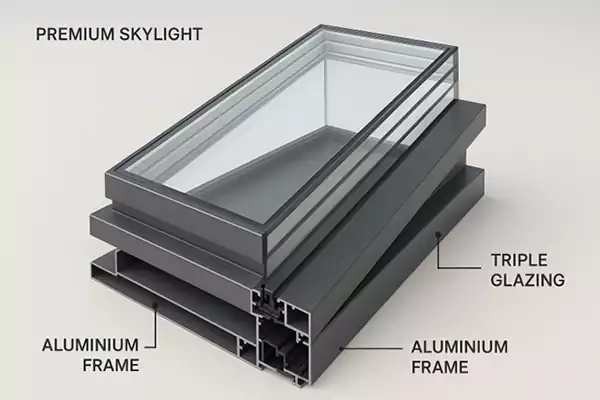
1. Aluminium
The industry standard for premium rooflights—especially with slimline profiles like those offered by SM Glass Tech.
Pros:
- Strong and corrosion-resistant
- Slim profiles maximize daylight area
- Low maintenance and weather-tolerant
- Thermally broken options prevent cold bridging and condensation
Cons:
- Conductive if not thermally broken
- More expensive than PVC or timber
Best for: High-end residential and commercial projects; flat and modular rooflights
2. uPVC (Unplasticised Polyvinyl Chloride)
Common in budget skylight kits and smaller units.
Pros:
- Affordable and lightweight
- Good insulation
- Low maintenance
Cons:
- Bulkier frame sizes
- Less durable under UV and heavy impact
- Prone to warping in heat over time
Best for: Affordable extensions and retrofit upgrades
3. Timber
Traditional material used in heritage or listed buildings, often with internal finishes.
Pros:
- Excellent insulation
- Warm, natural appearance
- Suited for conservation areas
Cons:
- Requires regular maintenance
- Prone to rot or swelling in damp conditions if untreated
Best for: Listed properties, period homes, aesthetic interior finishes
Factors to Consider When Choosing Skylight Material
When deciding on the best skylight material, evaluate the following:
- Weather exposure: Tempered/laminated glass is better suited to harsh UK weather.
- Thermal insulation: Look for low U-values (≤1.6 W/m²K), especially in Scotland or highland regions.
- Noise resistance: Laminated glass outperforms plastic in urban or windy environments.
- Safety & security: Glass outperforms plastic in impact, burglary resistance, and fire safety.
- Budget: While uPVC and polycarbonate may save money upfront, glass and aluminium offer better long-term performance.
- Design goals: For modern aesthetics, go with slim aluminium frames + clear glass glazing. SM Glass Tech offers frameless or edge-bonded designs that match this style.
Conclusion: So, What’s the Best Material?
If you’re installing a skylight in the UK, the best combination of materials is:
✅ Tempered and laminated glass glazing
✅ Thermally broken aluminium frames
This setup offers:
- High strength and clarity
- Excellent insulation for UK winters
- Durability against wind, rain, and UV
- A modern look with minimal maintenance
While polycarbonate or PVC options may work for budget builds or temporary structures, they fall short in performance, lifespan, and aesthetic appeal.
Ready to install a skylight built to last? Contact SM Glass Tech for tailored advice, product recommendations, or a bespoke quote today.