Comparing Toughened and Laminated Roof Light Glass
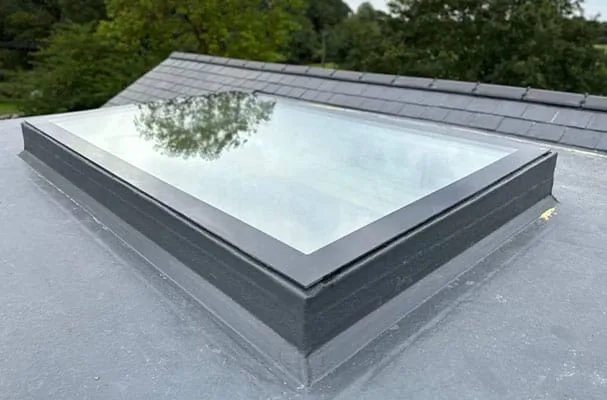
Choosing the right roof light glass decides more than how a room looks. It affects safety, comfort, durability and even how the space sounds on a windy night. This guide explains toughened vs laminated roof light glass in plain terms what each is, how it’s made, where it excels, and how to pick the right build-up for your project.
Why the roof light glass matters
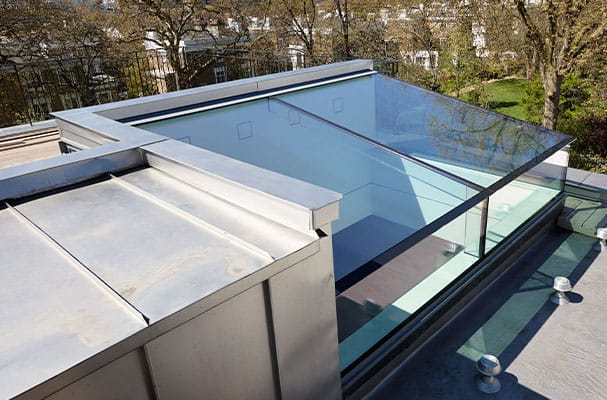
A rooflight is an opening in the most weather-exposed part of the building. Glass choice determines how that opening handles real life: a dropped tool during maintenance, summer sun on a shallow pitch, the thud of heavy rain, or a child leaning on the pane to see the clouds. Good specification keeps people safe, keeps heat where you want it, and keeps the view clear for years. It also influences acoustic comfort, UV protection for furnishings, and the ease of cleaning and maintenance. In short, roof lights are not only about daylight; the roof light glass is the working part that lets you enjoy that daylight without trade-offs.
Toughened (tempered) glass starts as float glass and is heated to a high temperature before being cooled rapidly. This process puts the surfaces into compression and the core into tension. When it fails, it granulates into small blunt cubes rather than sharp shards exactly what you want above heads.
That strength makes toughened panes ideal as the weather side of a roof light. They resist wind load and day-to-day impacts better than annealed. They also handle thermal shock well: think of a summer shower hitting a hot pane or a patch of shade next to bright sun. The limits are at the edges. Chips at the perimeter or a tight frame bite can concentrate stress and trigger failure later. In rare cases, inclusions in the glass can also lead to delayed breakage; many projects reduce that risk further by using toughened panes that have been heat-soak tested at the factory so vulnerable pieces fail before they reach site. On the whole, toughened is the workhorse strong, safe, and cost-effective.
What is laminated glass and how it differs
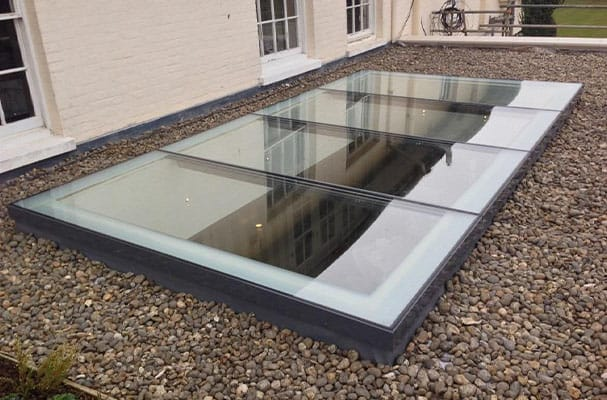
Laminated glass is not a single sheet. It is two or more panes bonded together with a clear interlayer commonly PVB for general use or a stiffer ionoplast interlayer for higher performance. If one pane cracks, the interlayer holds the fragments in place. That “stays together” behaviour is the defining advantage: the barrier remains a barrier even after damage, buying time for a controlled replacement and preventing a fall of people or debris.
Laminated glass also brings other benefits. Acoustic interlayers reduce noise from rain, traffic and aircraft, helpful for bedrooms and studies. Because the interlayer adds damping, laminated panes feel less “pingy” under sound or vibration. Laminated does weigh more and it can cost more than a single toughened ply, and the exposed edges need care so moisture and cleaners don’t mark them over time. But as soon as you care about post-breakage safety, security, acoustics or UV, laminated becomes the obvious choice.
read more: Top Skylight Maintenance Tips for Longevity
Strength, safety and durability comparison
When comparing toughened and laminated rooflight glass, it’s important to separate initial strength from behaviour after damage.
- Strength:
Toughened glass offers higher impact and bending strength per ply.
Performs well under rapid temperature changes.
Laminated glass (especially toughened-laminated) approaches the same initial strength but adds a fail-safe mechanism — the panel remains intact if a ply cracks.
This is why many overhead units use a toughened outer pane and a laminated inner pane.
- Safety standards:
- Additional benefits of laminated inner panes:
The interior surface stays intact and safe.
Feels warmer to the touch during cold seasons.
Provides better acoustic insulation and reduces noise.
- Durability considerations:
- Both glass types rely on:
Proper edge support
Well-designed upstands
Clean drainage to prevent water retention at glass edges.
The glass specification matters but installation details are equally critical.
- Thermal performance:
The glass type itself (toughened or laminated) has minimal effect on U-value.
- U-value depends mainly on:
The glazing build-up
Low-E coatings
Gas fills between panes
Spacer design and width
Choose the glass for safety and functionality, then fine-tune U-value and solar gain through coatings and cavity configuration.
Walk-on rooflights are a different category. They are structural glass floors that also happen to admit daylight. Here the answer is clear: use multi-ply toughened-laminated build-ups with a structural interlayer designed for the required load. Monolithic toughened alone is not acceptable because it offers no post-breakage integrity.
A typical walk-on stack might use several toughened plies laminated together, often with the top surface treated for slip resistance and the edges supported on a continuous frame. The interlayer type and thickness are chosen to control deflection and to keep the panel stable if one ply fails. Good detailing keeps drainage moving, isolates the glass from hard point loads at the support, and avoids trapping heat at the edges. With these elements in place, walk-on roof lights carry people safely while keeping rooms below bright.
Cost and maintenance considerations
Toughened panes are generally cheaper per square metre than laminated. They are lighter, easier to move, and often simpler to replace. Laminated costs more because you are buying multiple plies and an interlayer, yet it can lower whole-life cost by avoiding secondary damage if an impact or crack occurs. Weight and access also matter on real projects: heavier laminated units may need more hands, lifts or cranage, which you should plan in the programme.
Maintenance is simple if you keep to good habits. Rinse before you wash so grit doesn’t scratch. Use pH-neutral cleaners. Avoid strong solvents at the edges of laminated panes where sealants live. Keep weep paths and channels clear so water cannot sit against the glass edge or frame gaskets. If an opener is part of the design, exercise it and check seals seasonally. Laminated edges deserve an occasional glance for haze or “milky” lines, early signs that cleaners or standing moisture have been unkind; catch it early and you preserve clarity for the long term.
Start with the safety brief. If people are beneath the roof light, a laminated inner pane is a smart baseline because it keeps the interior face intact after damage. On the weather side, a toughened outer pane takes wind, hail and thermal swings in its stride; pairing toughened outside with laminated inside is a proven combination for most roof lights and skylights.
Then think about the room and the orientation. Bedrooms and home offices benefit from laminated inner panes with acoustic interlayers, which soften rain noise and street sound. South- and west-facing spaces often feel better with a solar-control coating that reduces summer heat while keeping daylight levels high. North-facing rooms can favour higher visible light to keep the space bright on grey days. For heritage settings, low-iron laminated glass keeps edges clear without the green tint that can appear in thicker panes.
Finally, consider access and replacement. If cleaning from inside is important, choose openers that rotate or tilt for safe access. If the roof is hard to reach, plan an easy-clean coating and a simple maintenance routine. Where loads or safety are critical balconies, terraces, maintenance routes treat the element as structure and use the appropriate multi-ply toughened-laminated build-up with verified supports.
If you want a quick rule of thumb: for most overhead roof lights above living spaces, specify a double-glazed unit with a toughened outer and a laminated inner; add solar control or acoustic interlayers to suit the room; step up to triple glazing only where comfort or exposure truly demands it. For walk-on areas, use a tested, engineered multi-laminate and follow the supplier’s load, support and drainage details to the letter.
The bottom line
Both toughened and laminated have a clear role in roof light glass. Toughened brings high impact strength and excellent thermal shock resistance; laminated brings post-breakage safety, UV filtering and acoustic calm. Most modern specifications combine them to get the best of both. When you balance safety, comfort, and buildability and detail the upstand, flashing and drainage correctly you get a roof light that looks effortless and stays that way
If you’d like tailored advice on toughened vs laminated roof light glass for your project, share a plan, a photo and the roof build-up.